
Understand in-home therapy
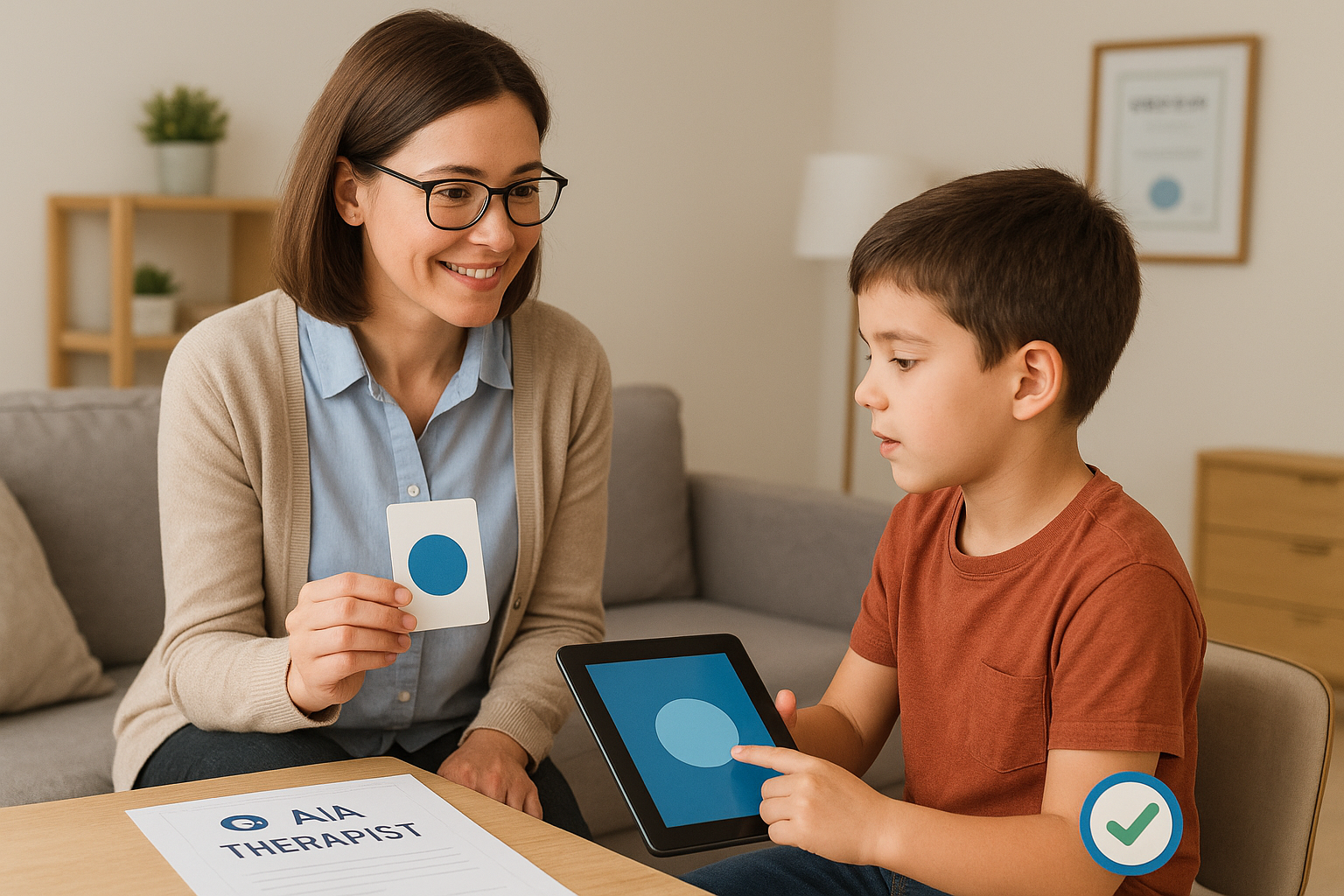
In-home behavioral therapy brings personalized support right into your living room. Instead of driving to a clinic, your child benefits from one-on-one attention in the environment where they learn everyday skills. This setting makes it easier for therapists to observe how your child navigates familiar routines and to tailor interventions that fit your family’s actual challenges.
When therapy takes place at home, generalization of skills—from communicating needs to handling transitions—happens naturally. Your child practices new behaviors amid the sights, sounds, and people they know best. That continuity often accelerates progress and reduces the stress of unfamiliar surroundings.
Explore therapist credentials
Hiring an in-home therapist means trusting someone with specialized expertise and a commitment to ongoing learning. Credentials tell you how much training they’ve had and whether they’ve met national or state benchmarks for quality care.
Education and degree requirements
Most Applied Behavior Analysis (ABA) therapists hold at least a master’s degree in psychology, social work, special education, or a related field. That advanced study covers developmental theory, research methods, and ethics—foundations you want any provider to understand before applying behavior-based techniques in your home.
Practical experience and supervision
Classroom hours aren’t enough on their own. Before working with clients, therapists must log supervised practicum hours that demonstrate proficiency in patient assessment, intervention planning, and data-driven decision-making. In Texas, for example, Certified Behavioral Health Specialists complete 40–80 hours of instruction plus practicum to prepare for in-home roles [1]. Although requirements vary by state, you should ask how many on-the-job hours a candidate has, who supervised that work, and what real-world challenges they’ve encountered.
Continuing education
Therapists must keep up with new research and best practices. Look for professionals who renew their credentials every two years through workshops, online courses, or conferences. That ongoing learning ensures your child benefits from the latest strategies in behavioral health therapy.
Recognize certification standards
Certifications and licenses provide an external check on a therapist’s skills. They confirm that a provider has passed rigorous exams, adhered to ethical codes, and demonstrated competence in managing complex cases.
Board certification
Many ABA therapists pursue certification through recognized bodies that administer national exams. Passing these exams indicates that the therapist can design effective behavior-change programs and monitor progress using data. While the exact certifying organization may vary, you can expect a standardized test of knowledge and skill.
State licensure
Beyond board credentials, some states require behavior analysts to hold a state license. Licensing adds another layer of oversight, often mandating background checks, proof of malpractice insurance, and compliance with continuing education mandates. A state license also typically involves renewals every one to three years, ensuring therapists stay current with evolving regulations.
Organization accreditation
If you work with an agency rather than an independent therapist, see whether they hold Behavioral Health Home Certification. This Joint Commission credential recognizes organizations that integrate mental health, substance use, primary care, and wellness services in a person-centered model [2]. Accredited agencies undergo surveys every three years and must demonstrate coordinated care practices—an indicator that your in-home therapist is backed by a quality-driven infrastructure.
Compare training programs
Therapists enter the field through different training paths, each with its own emphasis. Below is a table summarizing three common routes that qualify providers for in-home behavioral therapy roles:
| Program provider | Instruction hours | Focus | Cost / Certification exam |
|---|---|---|---|
| National Performance Specialists | 40–80 classroom + practicum | General behavioral health skills | $200, includes study guides and practice exams [1] |
| GreenLight ABA | Varies by certifying board | ABA-specific methods for autism | Exam fee varies; requires master’s degree |
| Family Based Training | Live online didactics | Eco-Systemic Structural Family Therapy | Courses approved for CE credits through 2028 [3] |
This comparison helps you weigh cost, coursework style, and the clinical approaches each program emphasizes. All three routes lead to essential skills—but your family’s needs may align more closely with one training philosophy over another.
Choose the right provider
Once you understand credentials and training, it’s time to vet candidates. Ask specific questions and verify documentation before scheduling an in-home session.
Start by requesting copies of degrees, certification certificates, and a state license number. A reputable therapist will share these items without hesitation. Next, check their CAQH ProView profile, the centralized repository most insurers use to confirm provider qualifications [4]. That step ensures you’ll be able to bill insurance efficiently.
Insurance credentialing can take 60 to 120 days with private payers and 30 to 60 days with Medicare, though Medicaid timelines vary by state [4]. Factor this lead time into your planning so your child’s therapy doesn’t stall.
Finally, discuss supervisory arrangements. Even highly skilled therapists benefit from oversight by a Board Certified Behavior Analyst (BCBA) or comparable supervisor. Regular case reviews and team meetings mean your child’s plan stays on track and adapts as new challenges arise.
Support your child’s progress
Your involvement is key to making in-home therapy work. Collaborate with the therapist to set clear, measurable goals—whether that’s increasing communication skills, reducing challenging behaviors, or mastering daily living tasks. Ask for regular progress reports that include data charts and narrative summaries.
In-home sessions also offer a chance for you to learn hands-on strategies. A qualified therapist will coach you on prompting techniques, reinforcement schedules, and data collection. When you implement those methods consistently between visits, you reinforce your child’s learning and help generalize skills to new situations.
Stay in communication. If something isn’t working—be it a new routine or a reaction to a particular prompt—let the therapist know. A strong professional relationship thrives on feedback and flexibility, ensuring your child receives care that truly fits your family’s daily life.
Your search for an in-home ABA therapist may feel daunting, but focusing on solid qualifications is the best way to protect your investment and your child’s future. With the right education, certification, and ongoing support, your therapist becomes a partner in fostering independence, communication, and joy for your family.